Introduction
Holi is one of the most vibrant and joyful festivals celebrated in India. Known as the Festival of Colors, Holi marks the arrival of spring and symbolizes the victory of good over evil. People from different regions, religions, and cultures come together during this festival to celebrate with colors, sweets, music, and dance.
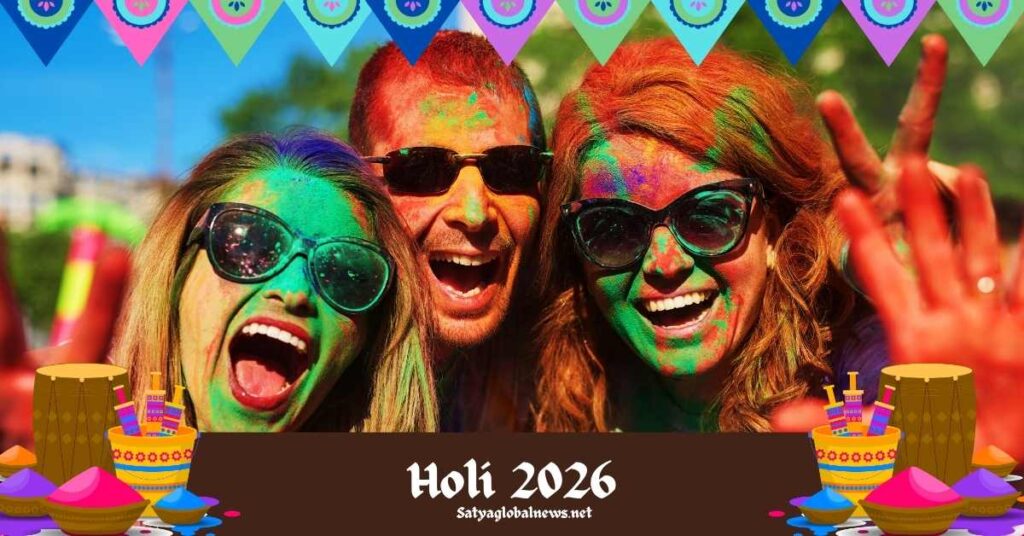
The Holi 2026 celebration in India will take place with traditional rituals, lively gatherings, and colorful festivities across the country. Streets, parks, temples, and homes become filled with laughter and bright colors as people celebrate together.
This festival is not only about throwing colors but also about spreading happiness, strengthening relationships, and welcoming new beginnings.
Holi 2026 Date in India
The Holi festival is celebrated according to the Hindu lunar calendar, usually falling in late February or March.
For 2026, the festival will be celebrated on the following dates:
Holika Dahan – March 3, 2026
Holika Dahan takes place on the evening before the main Holi celebration. On this day, people gather around bonfires and perform rituals that symbolize the destruction of evil forces.
Rangwali Holi – March 4, 2026
The main celebration of Holi, also called Rangwali Holi or Dhulandi, takes place the next day when people play with colors, water balloons, and gulal.
History and Mythology of Holi
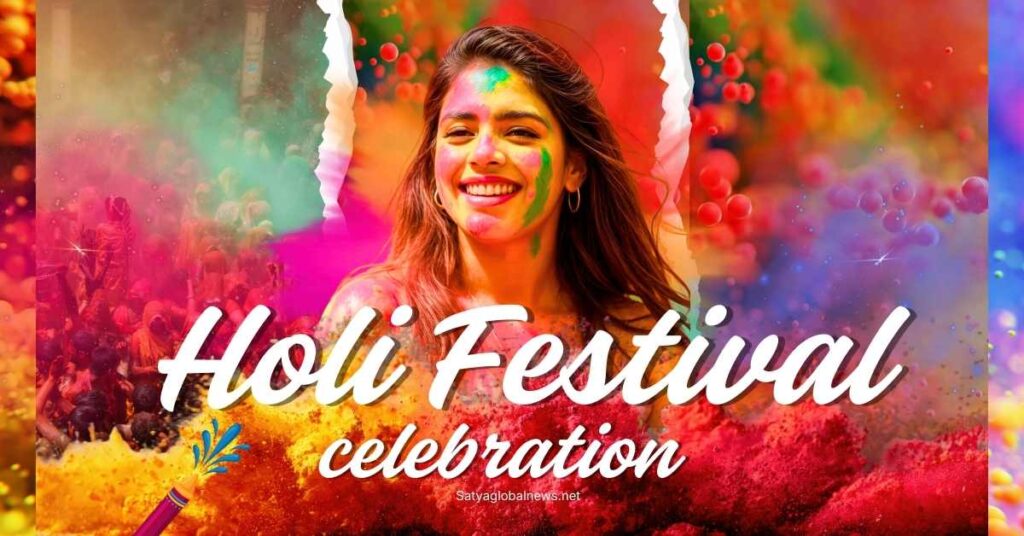
The festival of Holi has deep roots in Hindu mythology and ancient traditions. One of the most popular stories associated with Holi is the legend of Prahlad and Holika.
According to the story, Prahlad was a devoted follower of Lord Vishnu. His father, King Hiranyakashipu, wanted everyone to worship him instead of the gods. When Prahlad refused, the king attempted to punish him.
Hiranyakashipu asked his sister Holika, who had a magical cloak that protected her from fire, to sit in a burning fire with Prahlad. However, due to Prahlad’s devotion, Holika was burned while Prahlad remained safe. This event symbolizes the victory of faith and goodness over evil, which is celebrated through Holika Dahan.
Another tradition links Holi to Lord Krishna, who playfully applied colors to Radha and the gopis in Vrindavan. This playful act became a tradition that continues today.
How Holi is Celebrated in India
Holi celebrations vary across different regions of India, but some traditions are common everywhere.
Playing with Colors
The most famous part of Holi is playing with colors. People apply gulal (colored powder) on each other’s faces and throw water colors using balloons and water guns.
Community Gatherings
Families, friends, and neighbors gather together to celebrate. People visit each other’s homes, exchange sweets, and wish each other “Happy Holi.”
Music and Dance
Festive music and dance are an essential part of Holi. People dance to traditional Holi songs and celebrate with enthusiasm in open spaces.
Traditional Food
Food plays a major role in Holi celebrations. Some popular dishes prepared during the festival include:
- Gujiya
- Malpua
- Dahi Bhalla
- Papri Chaat
- Thandai
These festive treats add sweetness and joy to the celebrations.
Famous Holi Celebrations in India
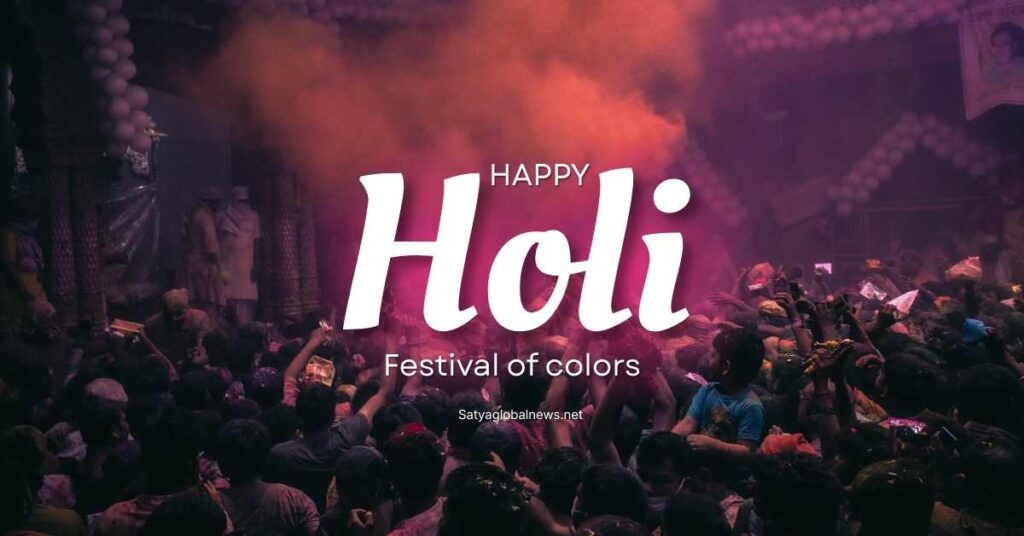
Different regions of India celebrate Holi in unique ways.
Mathura and Vrindavan Holi
These cities are closely associated with Lord Krishna and host grand Holi celebrations that last for several days.
Barsana Lathmar Holi
Barsana is famous for Lathmar Holi, where women playfully hit men with sticks while men protect themselves with shields.
Shantiniketan Basanta Utsav
In West Bengal, Holi is celebrated as Basanta Utsav, a cultural festival with music, dance, and colorful attire.
Jaipur Royal Holi
Jaipur celebrates Holi with traditional cultural events and royal-style festivities.
Cultural Significance of Holi
Holi holds deep cultural and social importance in India.
- The festival represents:
- The victory of good over evil
- The arrival of spring
- The spirit of unity and harmony
- A time to forgive and renew relationships
Holi encourages people to forget past conflicts and celebrate together with joy and positivity.
Modern Holi Celebrations
In modern times, Holi celebrations have evolved with music festivals, community events, and eco-friendly celebrations.
- Many cities organize:
- Holi music festivals
- Cultural programs
- Community color events
- Organic color campaigns
People are also becoming more aware of environmentally friendly celebrations, using natural colors and reducing water waste.
Tips for Safe and Eco-Friendly Holi
To enjoy the festival safely and responsibly, consider the following tips:
- Use herbal or organic colors
- Apply oil on hair and skin before playing
- Protect your eyes with sunglasses
- Stay hydrated
- Respect others’ boundaries
- Avoid wasting excessive water
These simple steps help ensure a fun and safe celebration for everyone.
Conclusion
The Holi 2026 celebration in India will once again bring people together in a colorful and joyful atmosphere. From the ritual of Holika Dahan to the vibrant celebration of Rangwali Holi, the festival symbolizes happiness, unity, and positivity.
Beyond the colors and festivities, Holi carries a deeper message of forgiveness, love, and the triumph of good over evil. It is a time to reconnect with loved ones, celebrate life, and welcome new beginnings with open hearts.
As the colors of Holi fill the air, the festival reminds everyone to spread joy and embrace the spirit of togetherness.
FAQs About Holi 2026
Holi will be celebrated on March 4, 2026, while Holika Dahan will take place on March 3, 2026.
Playing with colors symbolizes happiness, unity, and the arrival of spring.
Holika Dahan is a ritual bonfire that represents the victory of good over evil based on Hindu mythology.
Popular Holi foods include gujiya, malpua, thandai, papri chaat, and dahi bhalla.
Famous Holi celebrations take place in Mathura, Vrindavan, Barsana, Jaipur, and Shantiniketan.