India witnessed several major economic developments over the past day, ranging from changes in LPG cylinder booking rules to sharp fluctuations in gold, silver, crude oil prices, and the stock market.
The central government has revised the waiting period for booking a second LPG cylinder, while global geopolitical tensions involving Iran have pushed crude oil prices to multi-year highs. At the same time, precious metals such as gold and silver have recorded significant declines in the last few days.
These developments could influence household expenses, fuel prices, and financial markets in the coming weeks.
LPG Cylinder Booking Rule Changed: Second Cylinder After 25 Days
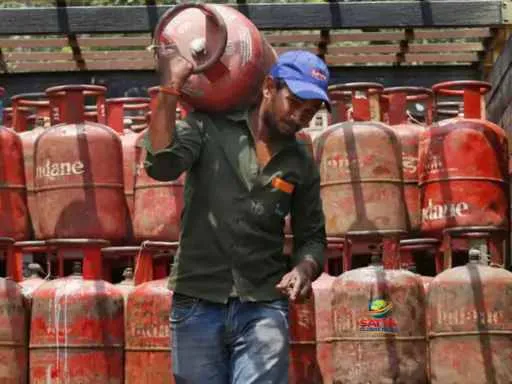
The central government has revised the booking rules for domestic LPG cylinders. Consumers will now be able to book their next LPG refill only after 25 days of delivery, instead of the earlier 21-day waiting period.
The decision effectively increases the waiting period by four days.
Why the Rule Was Changed
Officials stated that the move aims to prevent unnecessary stockpiling of LPG cylinders during a time of rising geopolitical tensions in the Middle East.
Authorities observed that some consumers were booking cylinders even when they did not immediately need them, which led to supply disruptions in certain areas.
By extending the waiting period to 25 days, the government hopes to:
- Reduce unnecessary bookings
- Prevent hoarding of LPG cylinders
- Ensure fair distribution to consumers who genuinely need refills
The new rule is expected to help maintain balanced LPG supply across the country.
Global Oil Prices Surge Due to Iran Conflict
One of the biggest developments affecting the global economy is the sharp increase in crude oil prices, driven by escalating tensions involving Iran, the United States, and Israel.
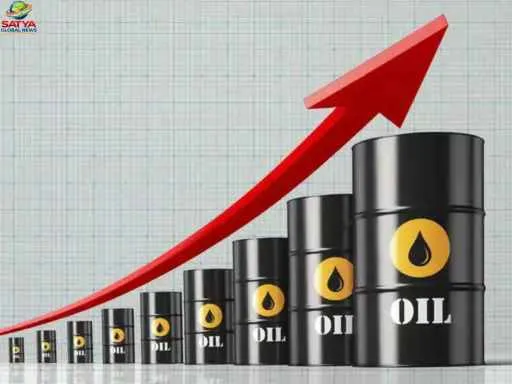
During trading on March 9, crude oil prices surged nearly 25 percent, crossing $115 per barrel, which is the highest level in more than three years.
Although prices later cooled slightly, oil continues to trade around $105 per barrel, still significantly higher than recent levels.
Why Oil Prices Are Rising
The surge is mainly due to fears that the conflict in the Middle East could disrupt global oil supply routes.
The region plays a crucial role in global energy markets, and any instability raises concerns about:
- Supply shortages
- Higher transportation costs
- Increased fuel prices worldwide
Experts warn that if the conflict intensifies, crude oil prices could rise to $150 per barrel, which would have major consequences for the global economy.
Impact on India
India is one of the largest importers of crude oil, meaning that rising oil prices directly affect the country’s economy.
Higher oil prices can lead to:
- Increased petrol and diesel prices
- Higher transportation costs
- Rising inflation
If crude oil continues to remain above $100 per barrel for an extended period, it could significantly increase fuel and energy costs across India.
Gold Prices Fall for Four Consecutive Days
While crude oil prices have surged, gold prices have declined sharply in the past four trading sessions.
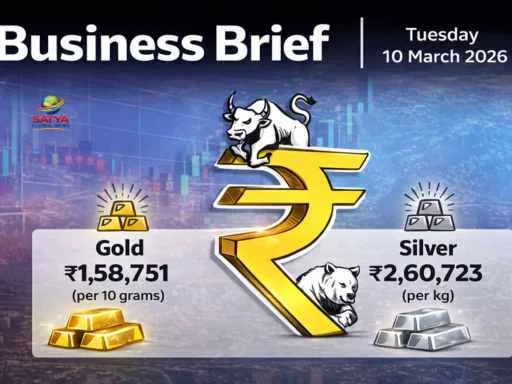
According to data from the India Bullion and Jewellers Association (IBJA), the price of 24-carat gold has fallen by ₹8,797 in just four days.
At the close of trading on March 9, gold was priced at:
₹1,58,674 per 10 grams
Earlier in the day, gold had traded at around ₹1,59,568 per 10 grams.
On March 2, gold had reached ₹1,67,471 per 10 grams, which means the price has dropped significantly from its recent peak.
Reasons Behind the Fall in Gold Prices
Several factors have contributed to the recent decline:
- Profit booking by investors
- Fluctuations in global financial markets
- Strengthening of the US dollar
Even though gold is traditionally considered a safe-haven asset during geopolitical crises, short-term price movements can fluctuate due to market dynamics.
Silver Prices Drop Nearly ₹30,000
Silver prices have also seen a dramatic decline.
In the past four trading sessions, silver prices dropped by ₹29,729 per kilogram.
According to IBJA data:
- Silver is currently priced at ₹2,60,056 per kg
- Earlier in the day, it was trading at ₹2,62,803 per kg
Just a few days earlier, on March 2, silver prices had reached ₹2,89,848 per kg, marking a significant fall from its recent high.
The drop in silver prices reflects broader volatility in the global commodity markets.
Stock Market Falls Amid Global Uncertainty
The Indian stock market experienced a sharp decline on March 9, largely due to rising geopolitical tensions and surging crude oil prices.
Market Performance
- Sensex fell by 1,353 points to close at 77,566
- Nifty dropped by 422 points to settle at 24,028
The selling pressure was visible across several sectors, including:
- Banking
- Automobile
- Metal
- Energy
- FMCG
Why Markets Fell
Investors often react cautiously during periods of geopolitical instability.
Conflicts and rising oil prices increase the risk of higher inflation and reduced corporate profits, prompting investors to move their money into safer assets.
As a result, stock markets typically experience short-term declines during such periods.
Indian Rupee Hits Record Low Against US Dollar
Another significant development was the sharp fall of the Indian rupee against the US dollar.
On March 9, the rupee declined by 46 paise, reaching a record low of 92.33 per dollar.
Reasons for the Rupee’s Weakness
Several factors contributed to the depreciation:
- Rising crude oil prices
- Stronger US dollar in global markets
- Geopolitical tensions in the Middle East
Experts believe that the rupee could remain under pressure until global tensions stabilize.
So far in 2026, the rupee has fallen by more than 2 percent, making it one of the weaker-performing currencies among emerging markets this year.
Possible Changes in Vehicle Transfer Rules
Apart from economic developments, the government is also considering major reforms in vehicle transfer regulations.
The NITI Aayog has proposed removing the requirement for a No Objection Certificate (NOC) when transferring a vehicle from one state to another.
If approved, the process would become much simpler.
How the New System Could Work
Instead of requiring NOC documents, authorities may allow:
- Online verification through the VAHAN portal
- Digital transfer of vehicle registration
This would reduce paperwork and make it easier for vehicle owners to transfer cars or motorcycles across states.
Changes for Older Vehicles
The government is also considering updates to rules governing vehicles older than 15 years.
Under the proposed changes, vehicles that pass fitness tests could continue to operate even after completing 15 years, provided they meet safety and emission standards.
This could provide relief to vehicle owners who wish to keep their older vehicles on the road.
What These Developments Mean for Consumers
The combination of LPG rule changes, rising crude oil prices, and financial market volatility could influence daily life for Indian consumers.
- Potential impacts include:
- Possible increase in fuel prices
- Changes in household energy costs
- Volatility in gold and silver investments
- Stock market fluctuations
At the same time, proposed reforms such as simplified vehicle transfers could make administrative processes easier for citizens.
FAQs
Consumers can now book their next LPG refill 25 days after delivery, instead of the previous 21-day waiting period.
The rule was changed to prevent hoarding of LPG cylinders and ensure fair supply to consumers.
Crude oil prices have surged due to geopolitical tensions involving Iran, the United States, and Israel, raising fears of supply disruptions.
Gold has dropped by ₹8,797 per 10 grams, while silver has declined by ₹29,729 per kilogram in the past four days.
The market fell due to rising crude oil prices, global tensions, and concerns about inflation and economic slowdown.