
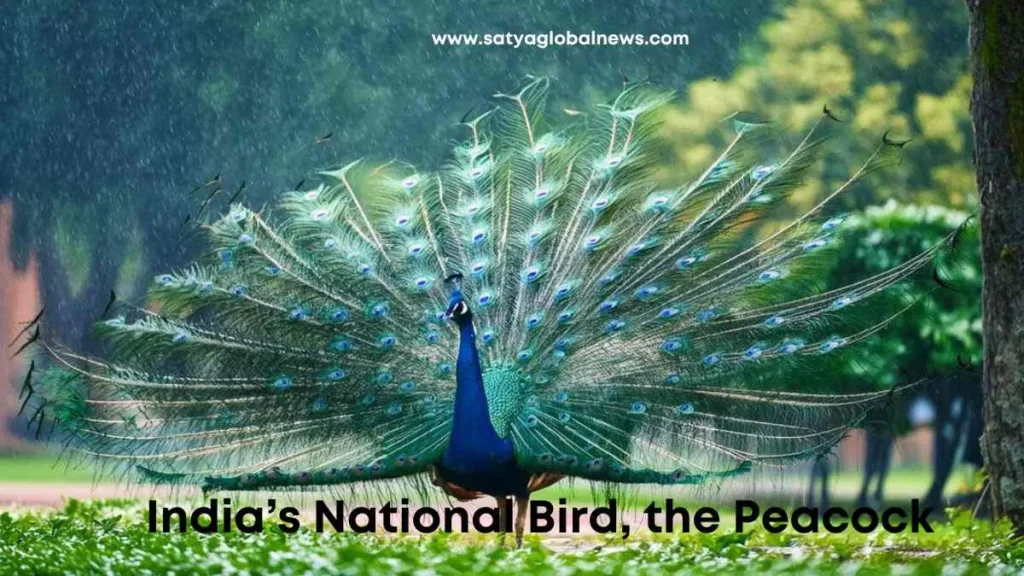
India’s national bird, the peacock, is a stunning symbol of beauty, grace, and pride. Known for its vibrant blue-green feathers and magnificent tail, the peacock represents elegance and charm in Indian culture. It is closely associated with traditions, mythology, and spirituality, often seen in ancient art and stories. Beyond its beauty, the peacock also plays an important role in maintaining ecological balance by feeding on insects and small creatures. Found widely across the country, it reflects India’s rich biodiversity. The peacock was declared the national bird in 1963, highlighting its cultural and natural significance in representing the nation’s identity.
Introduction
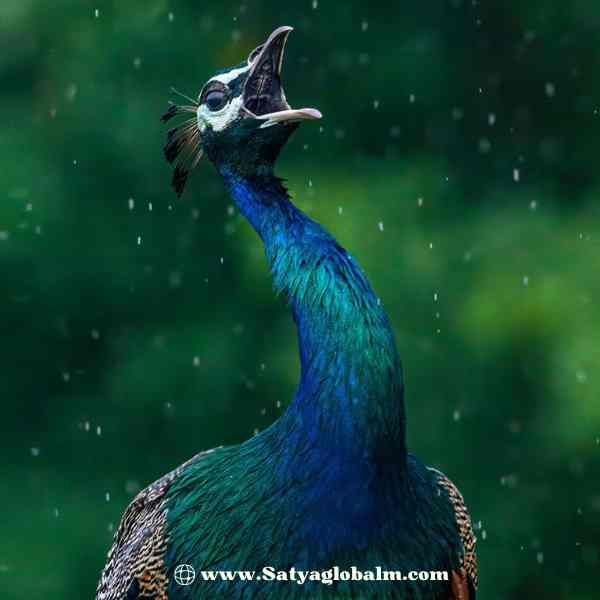
The peacock, known for its vibrant feathers and graceful appearance, holds a special place in India’s natural and cultural heritage. Recognized as the National Bird of India in 1963, the Indian peafowl is admired worldwide for its beauty and symbolic significance.
Key Features of the Peacock
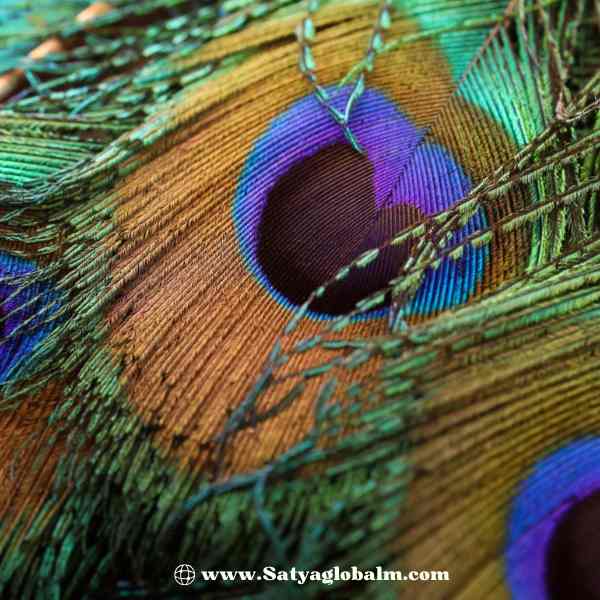
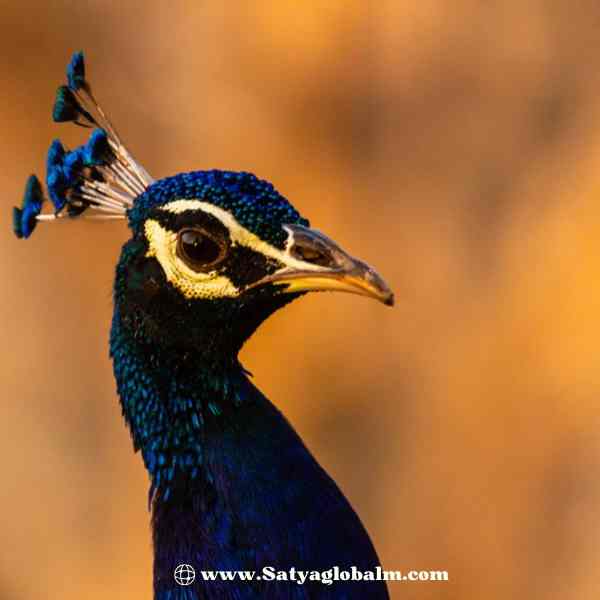
The peacock (male) is one of the most visually striking birds in the world.
- Scientific name: Pavo cristatus
- Native to India and South Asia
- Males have long, colorful tail feathers
- Females, known as peahens, are less colorful
Its shimmering blue-green plumage and eye-patterned feathers make it unique among birds.
Peacock Dance During Monsoon

One of the most fascinating sights is the peacock dancing during the monsoon season. As clouds gather and rain approaches, the bird spreads its feathers and performs a rhythmic display. This behavior is often linked to mating rituals and environmental response.
🇮🇳 Why Was the Peacock Chosen as India’s National Bird?
The Government of India declared the peacock as the national bird due to several reasons:
- It is widely found across the country
- Deeply connected with Indian traditions and mythology
- Represents grace, beauty, and pride
Cultural and Religious Significance
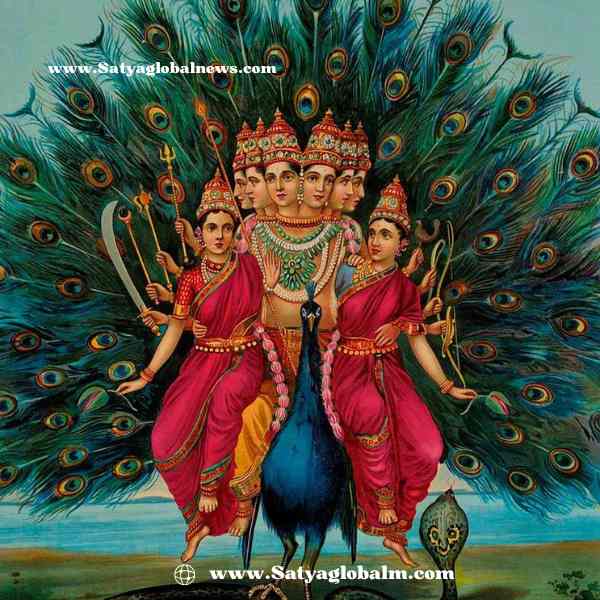
The peacock holds a strong presence in Indian culture:
- Associated with Lord Krishna, who wears a peacock feather
- Considered the vehicle of Lord Kartikeya
- Featured in classical art, paintings, and folklore
Role in the Ecosystem
Peacocks contribute to maintaining ecological balance:
- They feed on insects and pests, helping agriculture
- Play a role in controlling harmful species
Conservation Concerns
Peacocks face challenges despite their protection under Indian law.
- Habitat loss due to deforestation
- Illegal hunting and poaching
- Environmental pollution
Conservation efforts are essential to protect this iconic bird.
Conclusion
The peacock is not just a bird but a proud symbol of India’s identity, culture, and biodiversity. Protecting it is not only a legal responsibility but also a moral duty to preserve nature’s beauty for future generations.